


.png)


.png)
As wills/estates lawyers practicing in Ontario, we understand the evolving needs of our clients and the importance of cultural competence in meeting those needs. Estate planning, especially testamentary disposition, goes beyond mere legal documentation; it encapsulates an individual's foresight, decision-making, and directives for asset distribution and management of affairs after death. Therefore, it is of paramount importance to understand clients' specific needs!
At its core, a Will in Ontario serves as the corner stone of personal and financial planning empowering and individual to designate estate trustee for administration of their estate, appoint guardians to safeguard the welfare of minor children, distribute assets among beneficiaries, and settle outstanding debts.
Within this legal framework, the Muslim community in Ontario faces unique considerations rooted in the doctrines of Islamic law, specifically the need for a Sharia-compliant Will. According to Islam, an individual's assets are divided into two parts: Faraid and Wasiyyah. Faraid represents two-thirds of the deceased’s property and must be divided according to Shari. The Wasiyyah is the portion of the Will that the individual can allocate as they see fit.
Muslims have a religious obligation to ensure the equitable distribution of assets in accordance with Sharia principles, including directives addressing burial procedures, religious obligations, and adherence to inheritance rules. Islamic inheritance rules are grounded in equity and familial responsibility, establishing the rightful distribution of assets among designated heirs.
Faraid are divided among the following:
Crafting an Islamic Will represents the appropriate combination of legal expertise and understanding, in providing Muslims in Ontario a means to honor their religious obligations while protecting their family's interests and adherence to legal framework.
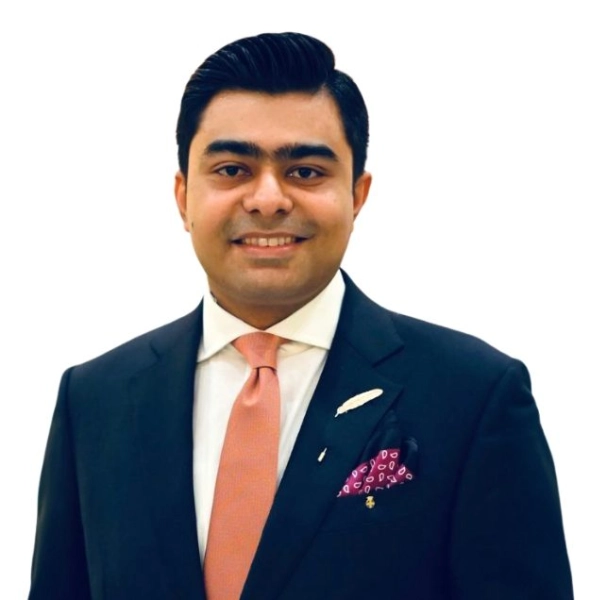
Please feel free to directly contact our Associate Lawyer, Muhammad Wajahat Faizan through email at mwfaizan@kormans.ca to help develop a comprehensive and practical estate plan that respects your religious beliefs and adheres to the appropriate legal requirements!


Faizan’s academic background includes a Juris Doctor (J.D.), an LL.M. from Aberdeen Business School in Scotland, and an LL.B. (Hons.) from the University of London. He has also earned certifications in Construction Law and Public Policy from the prestigious Osgoode Hall Law School, showcasing his diverse expertise across multiple areas of law. After being called to the Ontario Bar in 2020, he gained experience in real estate, commercial, and immigration law at a boutique firm before joining Kormans LLP.
Specializing in a wide range of legal services, Faizan focuses on residential and commercial real estate transactions, financing, wills and estate planning, and contractual matters. His expertise also extends to Islamic wills and Sharia-compliant financing, where he offers culturally sensitive solutions tailored to the needs of diverse clients.
Faizan’s thought leadership is evident in his published articles on Islamic wills and Halal mortgages, which can be found on the Kormans website. His expertise extends beyond Islamic wills, with a deep understanding of real estate law showcased through writings on topics such as Tarion warranties, joint tenancy, and easements. These works highlight his broad knowledge of property law and commitment to providing clients with clear, informed guidance.
In addition to his contributions to real estate law, Faizan has made significant strides in immigration law. His representation before the board in the landmark case of Vilcassim v. Canada helped establish a crucial precedent in children’s rights within Canadian immigration law.
With a strong background in law, Faizan continues to teach as one of the pioneering professors in the Graduate Diploma in Immigration and Citizenship Law program at the prestigious Queen’s University, where he shares his practical experience and knowledge with future professionals.
His contributions to the legal field were recognized with the Queen Elizabeth II Platinum Jubilee Award Pin, honoring his dedication and service to immigration law. He is also the recipient of the King Charles III Coronation Medal, a prestigious award recognizing contributions to community and public service. This recognition was granted through a rigorous selection process led by the Mississauga Streetsville Community Leadership Association and the Canadian Heraldic Authority at the Chancellery of Honours, Rideau Hall.
Outside of his professional life, he enjoys travelling, has a passion for cricket, plays weekend squash and frequently participates in youth mentorship programs.

.jpg)
.png)
.png)

The Ontario Enhanced New Housing Rebate is now in effect. Learn who qualifies, rebate amounts, key deadlines and how HST rebates affect new-home buyers.
.jpg)
Learn why having a Will is important in Ontario, how intestacy laws can affect your loved ones, and how a Will can help reduce uncertainty, costs, and family conflict.

Learn when Land Transfer Tax may apply to family title transfers in Ontario, even if no money changes hands, and how proper planning can reduce tax implications.
.webp)