

.png)


.png)
The federal Liberal government created the Underused Housing Tax (UHT) on underused (i.e. vacant) residential properties owned by non-resident non-Canadians. THE UHT came into effect January 1, 2022.
The UHT applies in addition to the 20% the Non-Resident Speculation Tax.
On December 31st of each year, every non-Excluded Owner of residential property, must file a return and pay tax equal to 1% of their ownership share of the value of the property. They can elect a fair market value or default to the prescribed value, if any, or the property’s most recent sale price.
The UHT basically applies to non-residents non-Canadians as Excluded Owner includes a government, a citizen or permanent resident of Canada, a publicly listed corporation incorporated federally or provincially, a trustee, a registered charity, a coop, hospital, municipality, college or university, an Indigenous governing body or a prescribed person.
The UHT is not payable if the property:
The penalty for not filing a required return is $5,000 for an individual or $10,000 if not an individual, plus 5% of the tax otherwise payable for the calendar year and 3% of the tax otherwise payable multiplied by the number of complete months from the date the return was required to be filed. Any non-payment attracts daily compound interest at the prescribed rate.
We are often retained to act on transactions for non-resident non-Canadian purchasers and although we do not do the UHT filing it is imperative that they are made aware of their UHT filing obligations so that they can comply through their tax accountant.


David is a member of the Law Society of Ontario since his call to the bar in 1985. David has over 35 years of extensive experience as a lawyer in residential and commercial real estate transactions, commercial leasing, corporate and commercial transactions, and private and institutional lending. His client base includes individuals, business entrepreneurs, developers, financial institutions, brokerages, and real estate investment trusts.
David takes an amiable and dedicated approach to practicing law. His focus is on providing his clients with the highest levels of legal service. Clients love working with David, as he always works hard in their best interests with a smile on his face. David’s sports background and leadership skills are highly influential on the growth and success of Kormans LLP as he truly believes in fostering the Kormans LLP environment as both a family and a team!
When David isn’t closing real estate and corporate transactions, David is an avid runner, hiker and sports enthusiast. However, what David enjoys most is spending quality time with his wife, kids, grandkids and friends at home, at the cottage, and on travels.
David is a frequent blogger, as well as a lecturer and panel member at seminars, webinars and workshops for real estate agents, mortgage brokers and home buyers. Please make sure to catch “David & David on Real Estate” – David’s featured Podcast which can be heard on RadioPublic, Spotify, Breaker, Anchor and Google Podcasts, and can be viewed on the Kormans LLP YouTube channel!


.png)
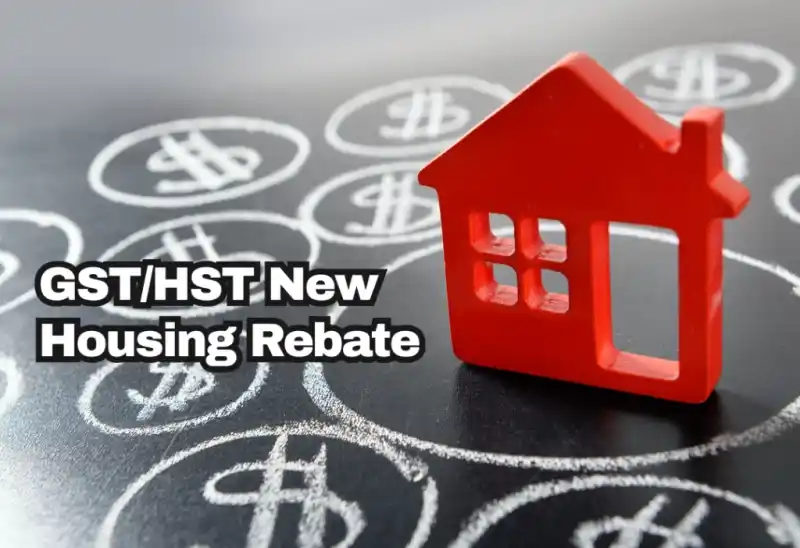
The Ontario Enhanced New Housing Rebate is now in effect. Learn who qualifies, rebate amounts, key deadlines and how HST rebates affect new-home buyers.
.jpg)
Learn why having a Will is important in Ontario, how intestacy laws can affect your loved ones, and how a Will can help reduce uncertainty, costs, and family conflict.
Learn when Land Transfer Tax may apply to family title transfers in Ontario, even if no money changes hands, and how proper planning can reduce tax implications.
.webp)